Recently a friend reached out to me to ask how she could convince someone to get their headshots done. This friend, living 4k miles away, unfortunately couldn't afford to fly me to NYC to help her friend out in person. Instead she received a number of voice messages as I realised I had very strong feelings about this topic!
It's never just "professional headshots
Before you contact anyone, think about what you're actually trying to say in these images, beyond the word "professional." Are you warm, friendly, approachable? Are you working in a field where you need to come across as assertive, able to hold your own in a room, professional but not someone who's going to be pushed around? Are you more of a coach or a therapist, where the goal is to feel open and easy to talk to? These are completely different briefs, and getting clear on which one fits you is the real starting point, long before you pick up the phone.
I had two clients recently who show exactly how different this can get. One is a Relational Bodywork Therapist, whose practice sits somewhere between spiritual, physical, and mental health. Her last shoot, in her home studio a year ago, was moody and mystical, which fit where she was then, but she's grown since and wants the new photos to feel more grounded, literally and figuratively. So we're shooting outdoors, in a park, to lean into that.
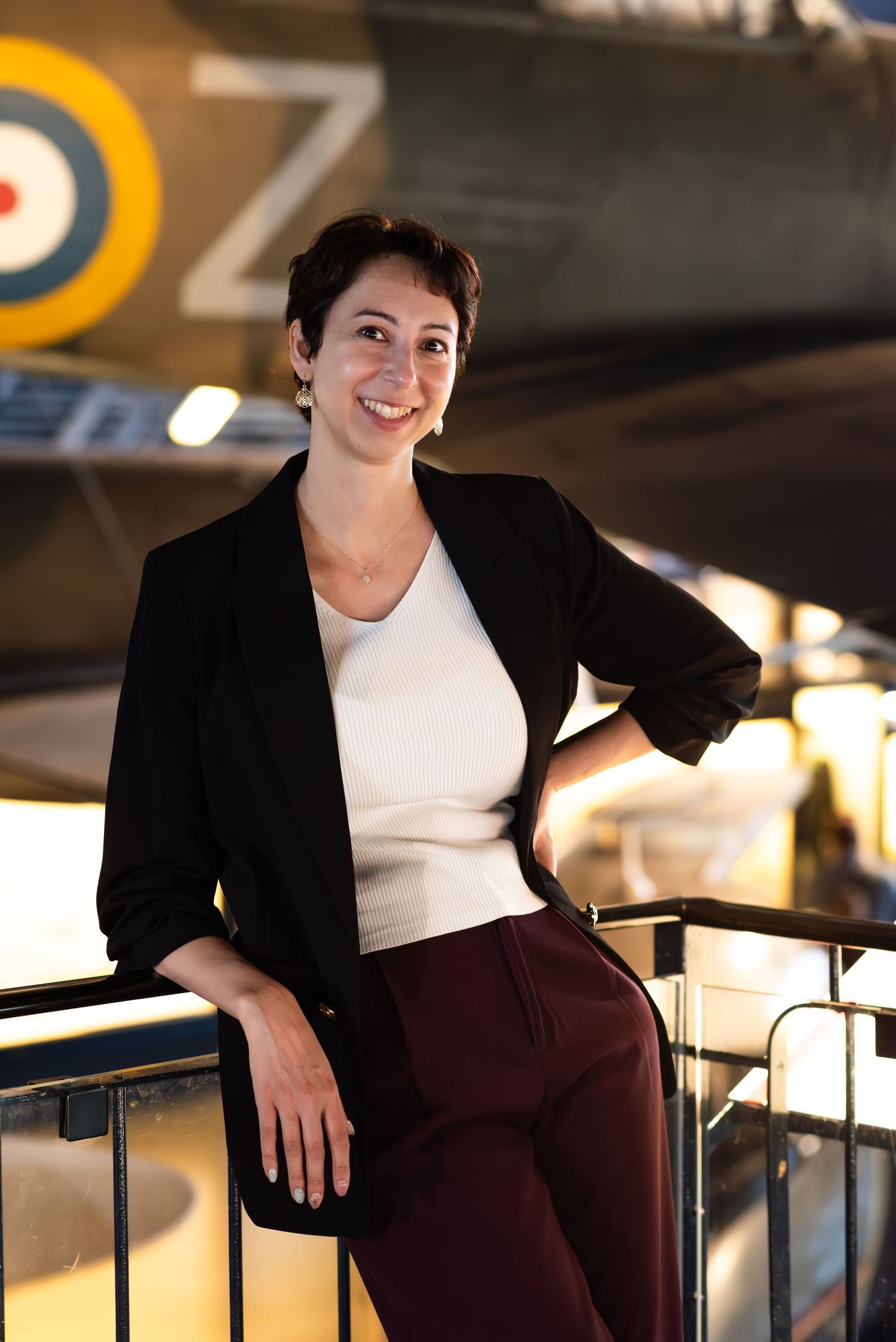
The other client is a design and technology teacher who also does talks on education and design. For her shoot, we're heading to the science museum, specifically the design, technology, and materials sections, because that's the world she actually lives in professionally. Neither of these would work as a swap. That's the point: the setting and the mood need to come from what the person does and how they want to be seen doing it, not from a generic template.
Do your homework before you call anyone
Once you have even a rough sense of the vibe you're after, open Pinterest or Google Images and start searching. See what actually pulls at you. Start with a loose idea, search something vague, and pin literally everything that catches your eye, no editing, no second-guessing. Then leave it for a day or two and come back to the board with fresh eyes, without the expectations you had when you started. That's when the patterns show up: maybe it's the lighting that keeps repeating, maybe you like the framing but not the makeup, maybe one image stands out from the rest for a reason you can now actually name. Doing this gets you out of your own head about what you think you're "supposed" to have for your industry, and closer to what you actually respond to.
It also makes the next step much easier, because once you know your vibe, you can go looking for photographers whose existing work already matches it.
Then, and only then, call your photographer
Once you've found a few who look like the right fit, there's one rule that matters more than any other: never hire a photographer without actually speaking to them. Not a quick email exchange, not a form on a website, an actual phone call. If a photographer doesn't offer that, ask for it. You're going to spend real money and, more importantly, you're going to spend at least an hour, maybe more, standing in front of someone with a camera. You need to know you can get along with them and that you're on the same wavelength.
This is where your moodboard earns its keep. Walking in with a clear sense of the vibe you're after means the photographer immediately understands what you're looking for, and it lets them ask you the sharper follow-up questions that fill in the rest, because "I just want professional headshots" still isn't quite an answer on its own. What industry are you in? What's the specific feeling you're trying to put across? A good photographer talks you through all of this before the shoot even happens, and because you've already done the thinking, that first conversation goes fast. You connect quickly, and the actual shoot ends up being a relaxed, easy hour or ninety minutes, instead of an hour of trying to figure each other out in front of a camera.
Ditch the mask
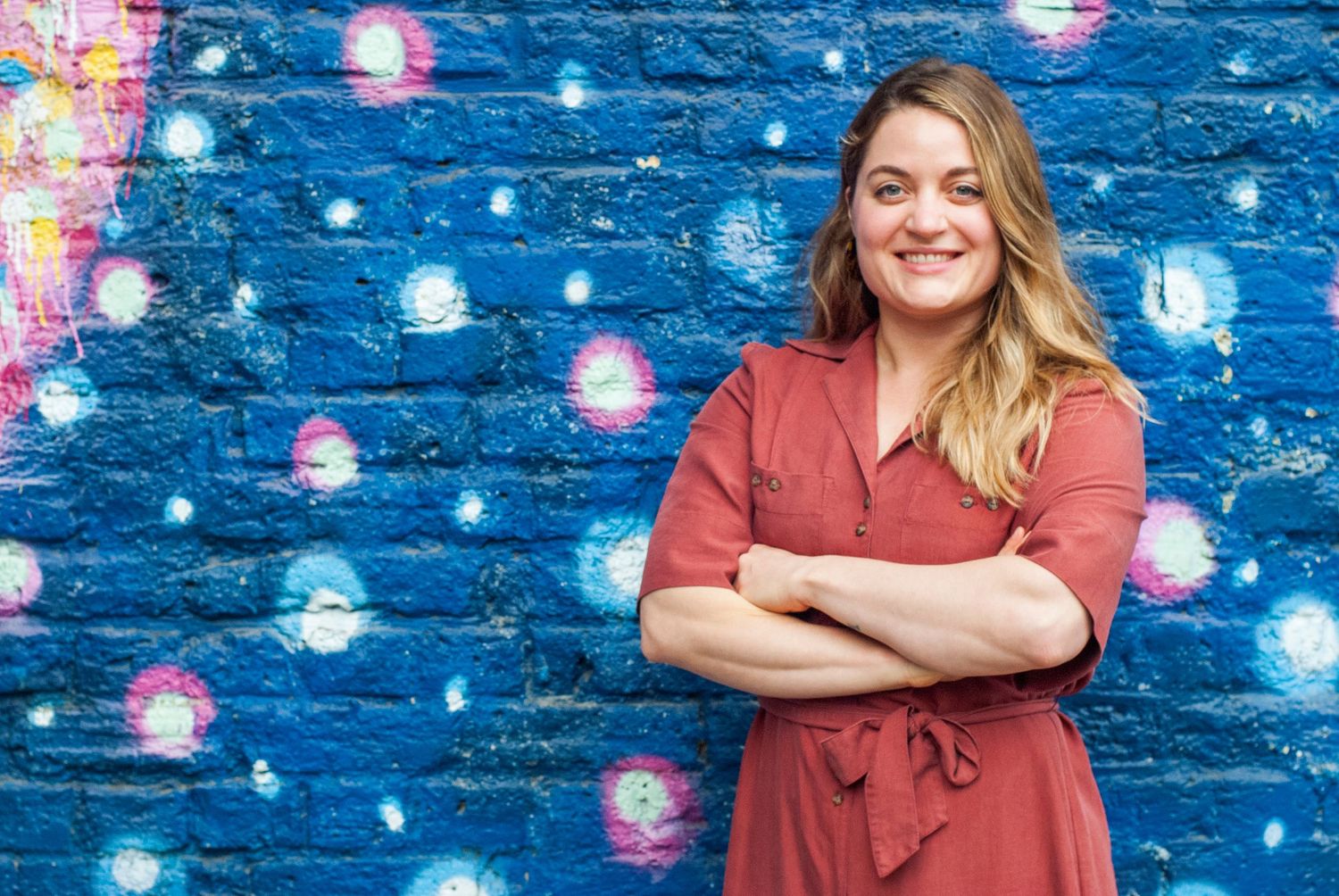
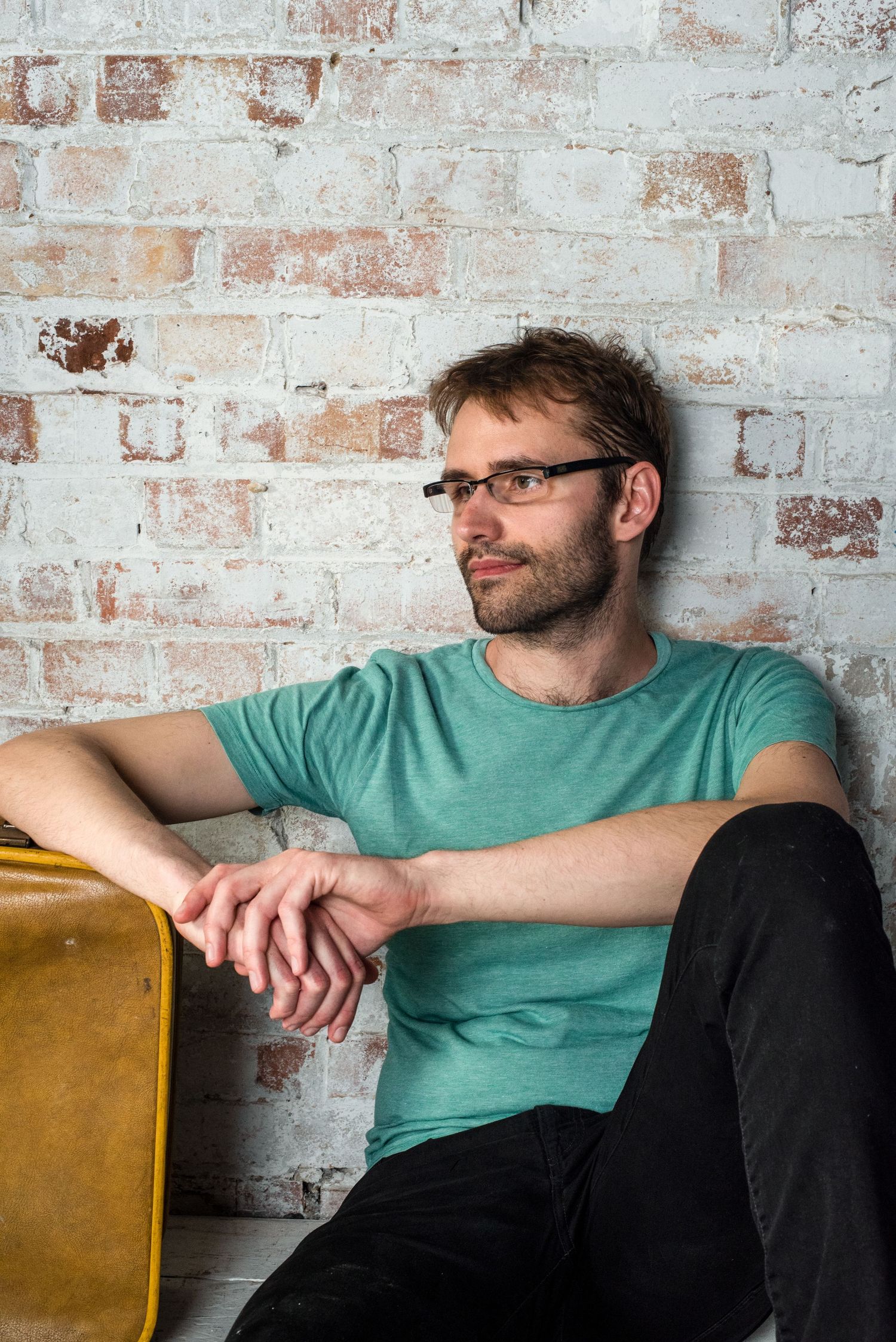
Once the shoot's booked, there's one more thing worth saying, and it's the one I probably went on about longest in those voicemails. I sit in a slightly unusual spot for this, because I work for a media company where everyone's casual all the time, so I'm probably biased, but I don't think your headshot needs to look like everyone else's. I think you need your own personality in it. A lot of the nervousness people feel going into a shoot comes from believing they have to have the white background, the business blazer, the stiff pose, because that's what a "proper" headshot is supposed to look like. And that stuffiness creates a kind of mask. It doesn't feel like you, because it isn't you, and your body knows it, even if your brain has talked itself into it. That's usually exactly why people look uncomfortable and rigid in front of the camera: they're pretending to be something they're not.
If tradition means you have to wear a suit, wear a wildly patterned shirt underneath it. Bring a prop that's actually yours. Small things like this let your actual personality come through instead of a corporate stand-in for you. I think we're slowly moving away from the idea that everyone in business has to look identical, and more people are bringing their real personal brand to these photos, easier if you're self-employed or run your own thing, sure, but worth pushing for either way. Your headshot is almost always someone's first impression of you. Think about LinkedIn: people look at your photo before they read a word of your CV. It should say something true about you, not just tick a box.
That's roughly what my friend got, spread across four voicemails instead of one tidy paragraph. If her friend in NYC takes nothing else from it: know what you're trying to say, do the homework, talk to the photographer properly, and don't be afraid to show up as yourself.